Shekel Tech — Building and Supporting WordPress Sites for Israeli Businesses
1. Overview
Shekel Tech is a small WordPress-focused service initiative I started in 2024.
It operates remotely from India, serving clients primarily based in Israel.
The goal was not to build a large agency, but to create a focused setup where websites are built, maintained, and supported properly — especially for clients who depend on them for daily business.
2. Why Shekel Tech Was Created
Before starting Shekel Tech, I was already receiving consistent WordPress work from Israeli clients through freelance platforms and referrals.
Over time, I noticed two things:
Many businesses needed reliable WordPress help, not just one-time website delivery
- There was a clear gap in long-term support, clarity, and ownership
That pushed me to formalize the work under Shekel Tech — a name, a structure, and a clear focus on WordPress-based websites and ongoing support.
My expectation was simple: Build websites properly, support them calmly, and stay accountable after launch.
3. The Core Challenge
The biggest challenge with Shekel Tech was language and communication.
Most clients were Hebrew speakers.
I do not know Hebrew as i am from India.
This meant:
Requirements were sometimes unclear
Technical explanations had to be simplified
Miscommunication could easily break trust
Instead of seeing this as a blocker, I treated it as a design and communication problem.
4. How I Approached the Problem
I relied on clear written communication, visuals, and structured explanations
I broke problems into simple steps instead of technical jargon
I used research, documentation, and tools where language became a barrier
I stayed honest when I didn’t know something — and learned it properly before acting
This approach helped reduce confusion and built long-term trust.
Focus
WordPress Consulting, Support & Web Operations
ROLE
Founder & Primary Operator
NO. OF CLIENTS
50+
TIMELINE
2024 - Present
WEBSITE
shekeltech.com
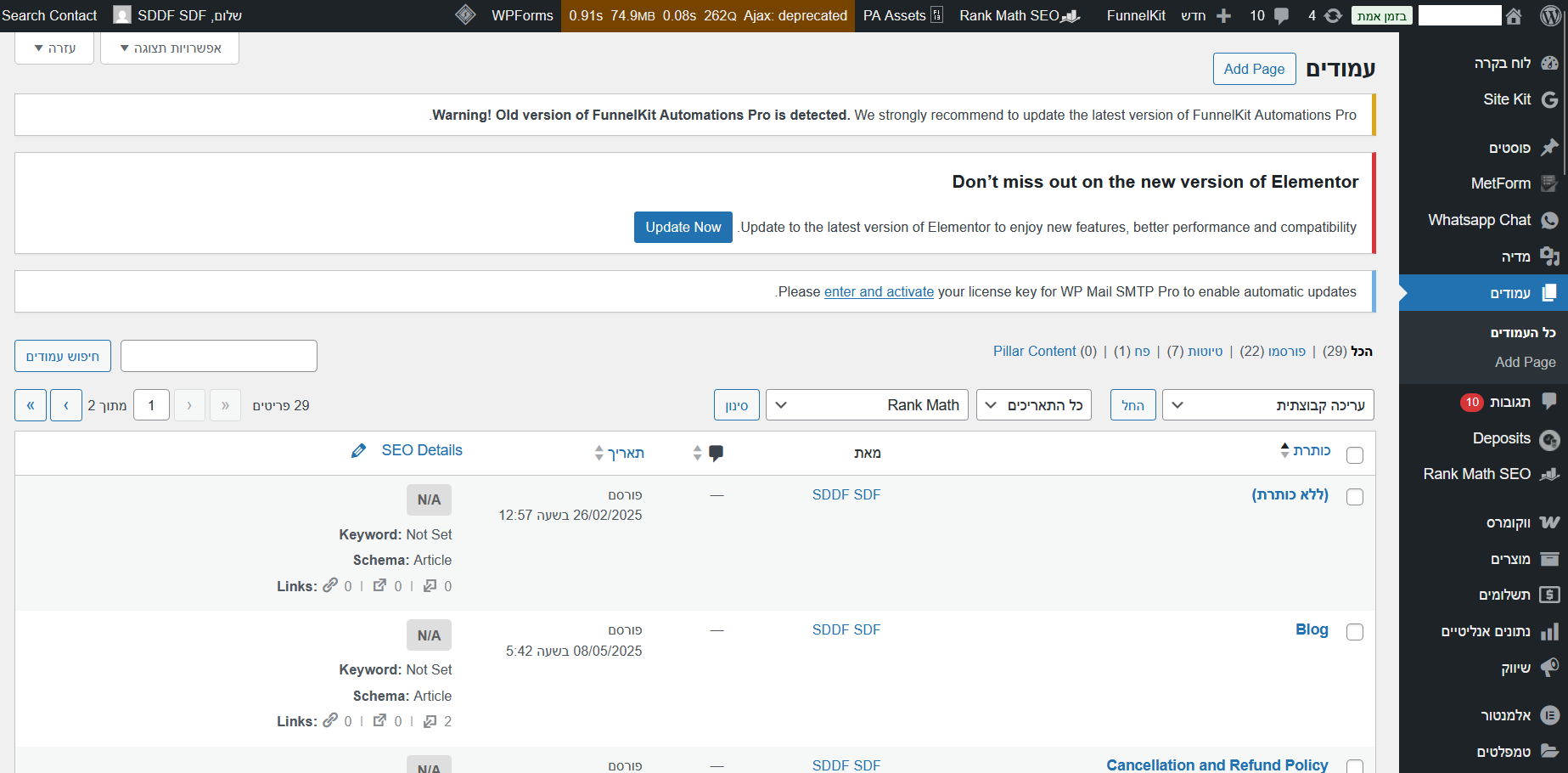
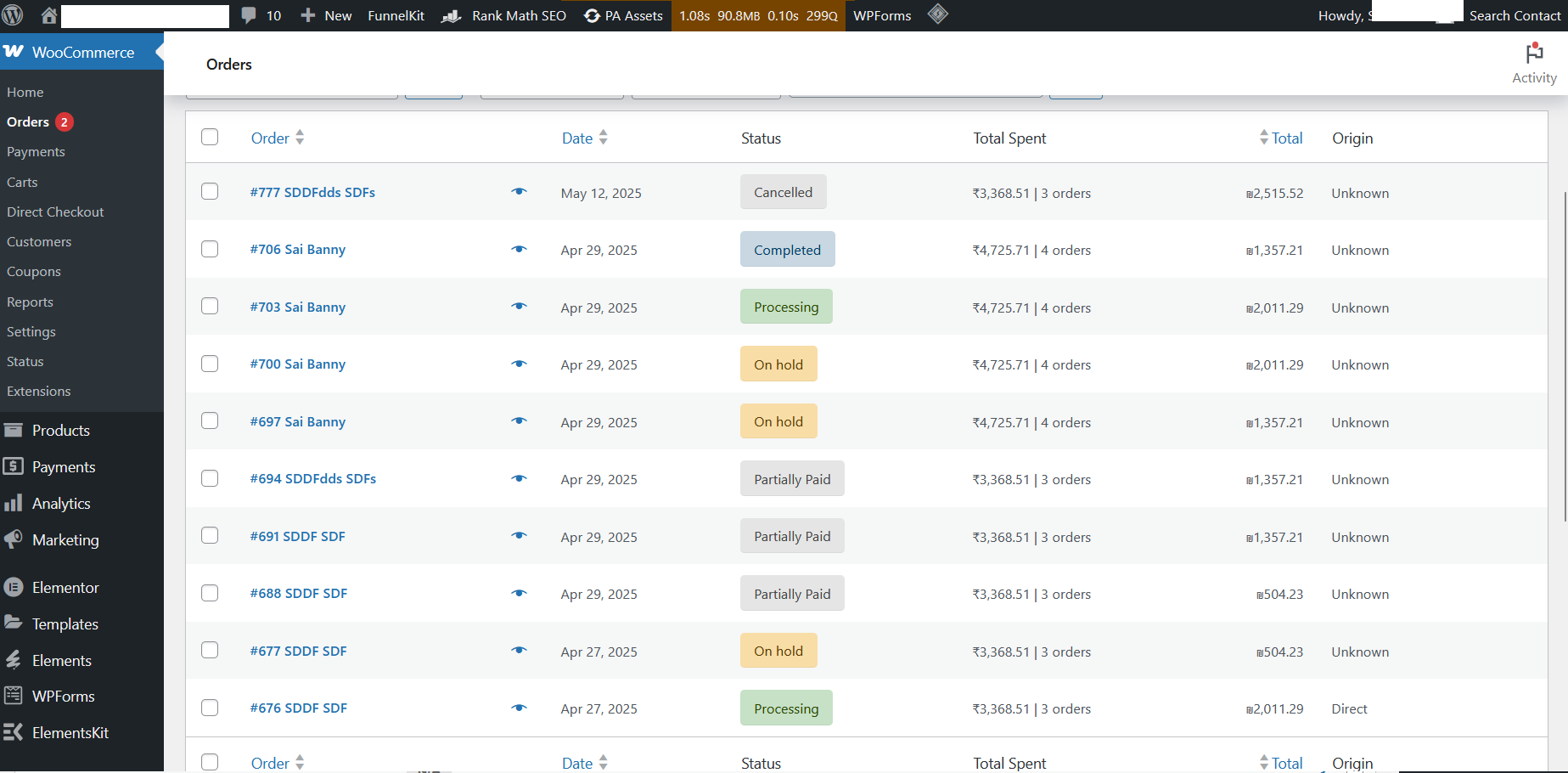
Here are a few projects where I faced challenges.
Case Study 1 — Benusha Tweaks
Supporting a Gaming-Focused WordPress Site Across Language and Technical Gaps
Benusha Tweaks is a gaming-related service website built on WordPress, involving software tools and workflows that were outside my immediate domain expertise. The client was based in Israel, and communication was challenging due to language differences and highly technical requirements related to gaming software.
At the start, neither side had full clarity — not because of lack of intent, but because of how complex the problem space was.
The Challenge
There were two major challenges:
Technical unfamiliarity
The project involved gaming-related software and integrations that I had not worked with before. Making assumptions here could easily break things.Language barrier
Explaining complex technical issues in English was difficult for the client, and understanding their exact requirements in English was equally difficult for me.
This created a risk of:
Misinterpreting requirements
Implementing the wrong solution
Losing trust due to misunderstandings
This issue was not unique to one client — I’ve encountered similar patterns across multiple WordPress sites running different themes, plugins, and hosting environments.
My approach
Instead of forcing the conversation in broken English or pretending I understood everything, I chose a slower but safer approach.
I asked the client to explain requirements in Hebrew, where they were most comfortable.
I used translation tools carefully, not blindly — cross-checking meanings, context, and intent.
I broke down every requirement into small, testable steps instead of implementing everything at once.
Whenever I didn’t know something, I openly said so, researched it properly, and only then moved forward.
I treated this less as a “build fast” project and more as a learning + validation loop.
Key Takeaways
This project wasn’t about expertise in gaming software.
It was about communication, honesty, structured problem-solving, and responsibility — the same principles I apply across all WordPress work at Shekel Tech.
Case Study 2 — HajiPapa
WooCommerce Payments, Local Gateways, and Cost-Sensitive Decisions
HajiPapa is an Israel-based business running on WooCommerce and relying heavily on online payments for daily operations. The website was already live, and customers were actively placing orders, which meant any payment-related changes had to be handled carefully without disrupting sales.
At the beginning, PayPal was set up as the primary payment method to get things running quickly.
The Challenge
After some time, a few problems became clear:
PayPal transaction fees and currency conversion charges were cutting deeply into margins
The client needed a local Israeli payment gateway that customers trusted
Changing a live payment system carried the risk of failed orders and customer frustration
I needed to recommend a solution I could confidently support long-term
This was not just a technical problem — it was a business-impact decision.
My approach
Instead of rushing into a replacement, I spent nearly an entire day researching:
Israeli payment gateways compatible with WooCommerce
Fee structures, tax deductions, and settlement timelines
Plugin stability, documentation quality, and support responsiveness
After comparing multiple options, I recommended PayPlus, as it offered:
Significantly lower transaction fees
Better alignment with Israeli banking systems
A smoother checkout experience for local customers
I then:
Integrated PayPlus into WooCommerce
Carefully tested transactions in different scenarios
Ensured PayPal remained as a fallback during the transition
This allowed payments to continue without breaking live operations.
Key Takeaways
Payment gateways are business decisions, not just plugins
Local solutions often outperform global ones for regional businesses
Taking time to research properly can save clients significant money long-term
A safe migration matters more than a fast one
This project reinforced the importance of balancing technical execution with financial responsibility.